
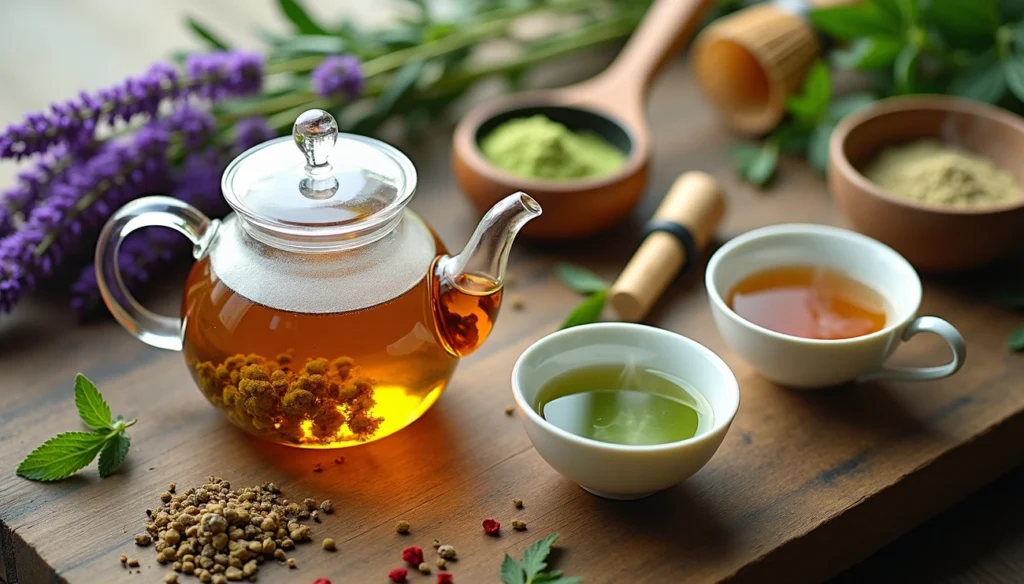

Teas for anxiety do more than just offer comfort—they’re supported by solid scientific research. Drinking tea has been shown to lower cortisol levels, the body’s main stress hormone. When feeling overwhelmed, turning to specific teas can provide real relief, not just a placebo effect.
Looking for natural anxiety relief without prescription medications? There are several research-backed options. Green tea, rich in L-theanine, is known to reduce anxiety symptoms. One study found that students who drank green tea consistently reported lower stress levels than those who took a placebo. Chamomile tea is another top choice, especially for mild to moderate generalized anxiety disorder (GAD). For herbal anxiety relief, teas like lavender have shown promise in alleviating symptoms through both consumption and aromatherapy.
In this guide, we’ll dive into the science behind these calming brews, from the amino acids in matcha that create the “body high” often described by enthusiasts to specific herbal remedies that target different aspects of anxiety. Whether you experience occasional stress or ongoing worry, understanding how these teas work can help you choose the best option for your needs.
Chamomile and Lavender: Classic calming teas
When it comes to herbal teas for anxiety, two classic remedies stand out for their well-documented calming properties: chamomile and lavender. These traditional botanicals have been used for centuries and continue to be studied for their impressive anxiety-reducing effects.
Chamomile: Apigenin and its calming effects
Chamomile (Matricaria chamomilla or Matricaria recutita) contains a powerful flavonoid called apigenin that works directly on your brain’s anxiety pathways. Apigenin produces sedative effects by binding to gamma-aminobutyric acid (GABA) receptors, essentially telling your nervous system to relax.
In clinical studies, daily consumption of chamomile significantly improved anxiety symptoms across diverse groups—from those with diagnosed generalized anxiety disorder to women experiencing menstrual-related anxiety. Moreover, researchers found that long-term chamomile use not only reduced anxiety but also improved blood pressure and weight profiles in patients.
What makes chamomile especially valuable is its dual action—it effectively reduces anxiety while also potentially acting as an antidepressant. In fact, patients with comorbid depression experienced substantial reduction in depressive symptoms after using chamomile.
Lavender: Aromatherapy and oral benefits
Lavender works through multiple pathways to create a sense of calm. Its compounds influence brain activity and neurotransmission, resulting in mood improvement and anxiety reduction.
A randomized clinical trial demonstrated that elderly participants who drank lavender tea twice daily for two weeks experienced significantly decreased anxiety and depression scores compared to the control group. The mean depression score dropped from 17.80 to 16.33 after consuming lavender tea.
While drinking lavender tea provides benefits, the aromatherapy aspect adds another dimension. Inhaling lavender’s scent while sipping the tea creates a dual-action effect that can enhance relaxation and improve sleep quality. Consequently, postpartum women who drank lavender tea reported less fatigue than those who didn’t.
Best time to drink these teas
For optimal results, enjoy these calming teas 30-60 minutes before bedtime. This timing allows your body to absorb the active compounds and begin the relaxation process before sleep.
If you’re looking to manage daytime anxiety, consider having a cup mid-afternoon when stress typically peaks. However, as a general guideline, try to minimize fluid intake at least 2 hours before bed to prevent nighttime bathroom trips that might disrupt your sleep.
Disclaimer: While these herbal teas offer natural anxiety relief, they should not replace professional medical treatment for severe anxiety disorders. Always consult your healthcare provider before using herbal remedies, especially if you take medication.
Read other Articles – The Ultimate Guide to Curb Appeal Ideas That Won’t Break Your Budget
Green Tea and Matcha: L-theanine for calm focus

Image Source: Health Cleveland Clinic
Unlike herbal options, green tea and matcha offer a different approach to anxiety relief—delivering a sense of calm focus through a powerful amino acid called L-theanine.
How L-theanine reduces anxiety
L-theanine crosses the blood-brain barrier and mimics glutamate, directly influencing brain activity. This unique compound increases alpha brain wave activity, creating a state of relaxed alertness without sedation. Additionally, it stimulates the production of calming neurotransmitters including GABA, dopamine, and serotonin.
Research shows that 200-400 mg of L-theanine daily can significantly reduce stress and anxiety in people facing stressful conditions. Indeed, one study found that participants who consumed matcha containing L-theanine experienced reduced anxiety compared to those taking a placebo.
Caffeine and L-theanine synergy
The magic of green tea lies in the balance between caffeine and L-theanine. Although caffeine alone can trigger anxiety, L-theanine counteracts these effects.
This unique partnership creates what tea enthusiasts call “calm alertness”—mental clarity without jitters. Furthermore, studies demonstrate that this combination improves attention-switching tasks and alertness more effectively than either compound alone. Even at low doses (40 mg caffeine), cognitive benefits become noticeable.
Matcha vs. regular green tea
For those seeking maximum anxiety relief, matcha outperforms regular green tea. Matcha contains substantially higher L-theanine concentrations (9.30-28.51 mg/g) versus regular green tea (6.56 mg/g).
Since matcha involves consuming the entire leaf powder, you receive approximately five times more L-theanine than from steeped green tea. Generally, you’d need 2-4 grams of high-quality matcha to reach the effective L-theanine dose for anxiety reduction.
Disclaimer: Although green tea and matcha offer natural anxiety relief benefits, they still contain caffeine. Those with caffeine sensitivity should consider lower-caffeine alternatives or consult with a healthcare professional before regular consumption.
Lemon Balm, Peppermint, and Passionflower
Beyond the well-known relaxants, three powerful herbs deserve attention for their unique anxiety-relieving properties and distinctive mechanisms of action.
Lemon balm: Boosting GABA naturally
Often called the “calming herb,” lemon balm (Melissa officinalis) works primarily by enhancing GABA activity in your brain. This remarkable herb contains rosmarinic acid, which inhibits GABA transaminase—the enzyme that breaks down GABA—allowing this calming neurotransmitter to accumulate. Furthermore, studies demonstrate lemon balm’s ability to bind directly to GABA receptors, creating effects similar to prescription anti-anxiety medications.
A 2018 study found that lemon balm supplements significantly reduced symptoms of anxiety, depression, and insomnia in participants with certain heart conditions. Its calming effects can last for sustained periods, offering genuine relief without sedation.
Peppermint: Soothing both mind and gut
Peppermint tea offers dual-action anxiety relief by targeting both psychological tension and digestive discomfort—where anxiety often manifests physically. Research indicates that simply inhaling peppermint’s aroma can reduce feelings of frustration, anxiety, and fatigue.
Notably, hospital patients experiencing high-stress situations showed reduced anxiety after exposure to peppermint oil. The menthol in peppermint acts as a natural muscle relaxant, easing physical tension that accompanies anxiety. Additionally, it improves blood flow, potentially enhancing cognitive function during stressful situations.
Passionflower: Mild sedative for anxiety and sleep
Passionflower (Passiflora incarnata) contains compounds that interact with GABA receptors, producing mild sedative effects without strong side effects. Clinical studies suggest it may be as effective as certain prescription anxiety medications—one trial showed passionflower comparable to oxazepam for treating anxiety, but with fewer cognitive side effects.
This gentle herb improves sleep quality and reduces anxiety without causing morning grogginess. Nevertheless, pregnant women should avoid passionflower as it may cause uterine contractions.
Disclaimer: While these herbal teas provide natural anxiety relief, they should not replace professional medical advice. Consult your healthcare provider before using, especially if you take medications or have chronic conditions.
Read other Articles – Silksong Boss Guide: Hidden Strategies You Need to Know
Valerian, Rose, and Herbal Blends

Image Source: Celestial Seasonings
First and foremost among lesser-known anxiety-fighting teas, valerian, rose, and strategic herb combinations offer unique benefits for those seeking natural relief from persistent worry.
Valerian root: Sleep and anxiety support
Nicknamed “nature’s Valium,” valerian root contains compounds that help your brain respond more gently to stressful situations. Studies have shown valerian can be as effective as oxazepam (a benzodiazepine) when taken over a six-week period. Its anxiety-reducing effects stem from its ability to increase GABA levels in the brain, promoting relaxation.
Rose tea: Gentle floral relaxation
The delicate floral notes of rose tea mask its powerful anxiety-fighting capabilities. Rose contains l-theanine, an amino acid that helps alleviate anxiety and improve sleep quality. Beyond its calming properties, rose tea offers anti-inflammatory benefits that can reduce physical symptoms of anxiety.
Blended teas: Combining herbs for stronger effects
Herbal combinations often outperform single herbs. Popular blends include:
- Chamomile + lavender + rose for emotional distress
- Valerian + passionflower + hops for insomnia and anxiety
These synergistic combinations target multiple anxiety pathways simultaneously.
Tips for choosing the best tea for anxiety
Consider your primary symptoms—for sleep difficulties, valerian works exceptionally well; for daytime anxiety without drowsiness, rose may be ideal. Start with small doses of valerian as some people experience stimulation rather than sedation.
Disclaimer: Consult your healthcare provider before using these herbs, especially if taking medications, as valerian may interact with sedatives and other drugs.
Conclusion
Finding natural relief from anxiety doesn’t require complicated solutions. As we’ve explored throughout this guide, several science-backed teas offer genuine benefits beyond mere comfort. Chamomile and lavender stand out as classic options, working through specific compounds like apigenin to calm your nervous system. Meanwhile, green tea and matcha provide that unique “calm alertness” through L-theanine, helping you stay focused without feeling jittery.
Additionally, less common options like lemon balm, peppermint, and passionflower target anxiety through different pathways, giving you alternatives based on your specific symptoms. Valerian root essentially serves as “nature’s Valium” for those struggling with both anxiety and sleep issues, while delicate rose tea offers surprising potency for daytime relief.
Above all, these natural remedies work best when incorporated thoughtfully into your daily routine. Consider creating a tea ritual—perhaps starting your day with matcha for calm focus, enjoying peppermint during stressful afternoons, and winding down with chamomile or valerian before bed. This structured approach helps maximize benefits while creating mindful moments throughout your day.
Nevertheless, patience remains essential. Unlike medication, herbal remedies often require consistent use before you notice significant improvements. Still, many people find that after a few weeks of regular consumption, these calming brews become valuable tools in their mental wellness toolkit.
Undoubtedly, the best approach involves experimentation to discover which herbal solutions work best for your unique anxiety patterns. Whether you prefer single herbs or strategic blends, these natural options offer a gentle yet effective pathway toward greater calm and balance.
FAQs
Q1. Which tea is most effective for reducing anxiety? Chamomile tea is widely recognized as one of the most effective teas for reducing anxiety. It contains apigenin, a compound that binds to GABA receptors in the brain, promoting relaxation. Green tea, rich in L-theanine, is another excellent choice for creating a sense of calm focus without sedation.
Q2. Can herbal teas really replace anti-anxiety medications? While herbal teas can provide natural relief for mild to moderate anxiety, they should not be considered a replacement for prescribed anti-anxiety medications, especially for severe anxiety disorders. Some herbs like valerian root have shown comparable effects to certain anxiety medications in studies, but it’s crucial to consult with a healthcare provider before making any changes to your treatment plan.
Q3. How long does it take to feel the calming effects of anxiety-reducing teas? The time it takes to feel the effects can vary depending on the individual and the specific tea. Some people may experience immediate relaxation from the ritual of preparing and drinking tea, while the physiological effects of compounds like L-theanine or apigenin may take 30-60 minutes to become noticeable. Consistent daily consumption over several weeks often yields the most significant benefits.
Q4. Are there any side effects to drinking anxiety-relieving teas? Most herbal teas for anxiety are generally safe when consumed in moderation. However, some people may experience mild side effects such as drowsiness (particularly with valerian root), upset stomach, or allergic reactions. It’s important to start with small amounts and be aware of any interactions with medications you may be taking.
Q5. What’s the best time of day to drink tea for anxiety relief? The ideal time depends on your specific needs and the type of tea. For general anxiety management, mid-afternoon can be beneficial when stress typically peaks. Calming teas like chamomile or lavender are best consumed 30-60 minutes before bedtime to promote relaxation and improve sleep quality. Green tea or matcha, due to their caffeine content, are better suited for morning or early afternoon consumption to provide calm focus throughout the day.
Disclaimer
While these herbal teas provide natural anxiety relief, they should not replace professional medical treatment for severe anxiety disorders. Always consult your healthcare provider before beginning any herbal regimen, especially if you take medications or have existing health conditions.
Interested in similar content or opportunities. Contact Us