
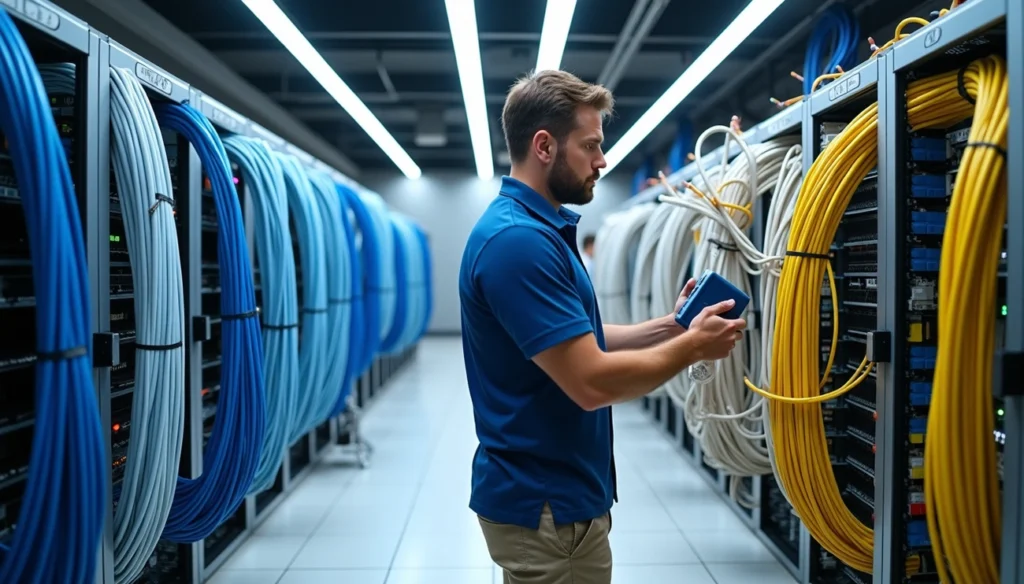

Nearly 70% of new homes are now built with low voltage systems, making low voltage technology a crucial component of modern infrastructure. In today’s digital environment, the quality of your business’s low voltage electrical systems can have a significant impact on operational efficiency.
Imagine paying for one gigabyte per second internet but receiving only a fraction of that capability due to insufficient wiring. This scenario plays out in businesses across the country every day. Low voltage systems are more important than ever as businesses face growing demands for high-speed, secure, and scalable communication infrastructures. Additionally, these systems consume less power, making them more energy-efficient compared to traditional high-voltage setups. As we navigate 2025, understanding proper low voltage management isn’t just helpful—it’s essential for business success.
The global low voltage wire and cable market was valued at approximately USD 145.7 billion in 2024 and is projected to grow at a CAGR of 7.2% through 2034. Despite this growth, many business owners overlook a critical fact: running cables after walls and ceilings are finished is significantly more expensive and disruptive. In this article, we’ll explore what business owners must know about low voltage technology solutions and how to avoid the hidden costs that can drain your resources when these systems are poorly implemented.
The Real Meaning of Low Voltage Technology in Business
Understanding low voltage technology requires looking beyond conventional electrical systems in your business environment.
What qualifies as low voltage electrical systems
Low voltage electrical systems operate at 50 volts (V) or less, creating a stark contrast with standard electrical wiring which typically operates at 120V or higher. Essentially, these systems don’t power heavy machinery or lighting but instead focus on communication, control, and automation purposes. The reduced voltage makes these systems inherently safer to install with lower risk of electrical hazards while consuming 10% to 30% less power than traditional high-voltage setups.
Common low voltage technology systems in offices
The modern office relies on numerous low voltage technology systems that function as the building’s “nervous system”. Specifically, these include:
- Security systems: Surveillance cameras, alarms, motion detectors, and intrusion sensors
- Access control: Key card readers, biometric scanners, and door entry systems
- Audiovisual systems: Projectors, conference room displays, and sound systems
- Networking infrastructure: Structured cabling, Wi-Fi access points, and VoIP phones
- Building automation: Lighting controls, smart HVAC systems, and environmental sensors
These interconnected systems create the technological backbone that modern businesses depend upon for daily operations, safety, and communication.
Why low voltage is not just ‘IT’s job’
Many office managers incorrectly assume IT staff or electricians will handle all wiring needs, yet low voltage cabling represents its own specialty. While electricians typically focus on high-voltage power systems and IT teams manage devices, neither necessarily specializes in the cabling infrastructure behind walls.
Additionally, proper installation of these systems requires understanding specific regulations and codes that vary by jurisdiction. Poor setup may lead to equipment failures, standard breaches, increased safety risks, and costly repairs. Moreover, the integration of these systems—making security, telecommunications, and building automation work together—requires specialized knowledge beyond standard IT training.
In reality, low voltage systems form the foundation for all internal communications and connections in modern business environments, making their proper design and installation critical to operational success.
Read other Articles – What Successful Brands Know About Consumer Behavior Trends in 2026
Hidden Costs of Poor Low Voltage Installations
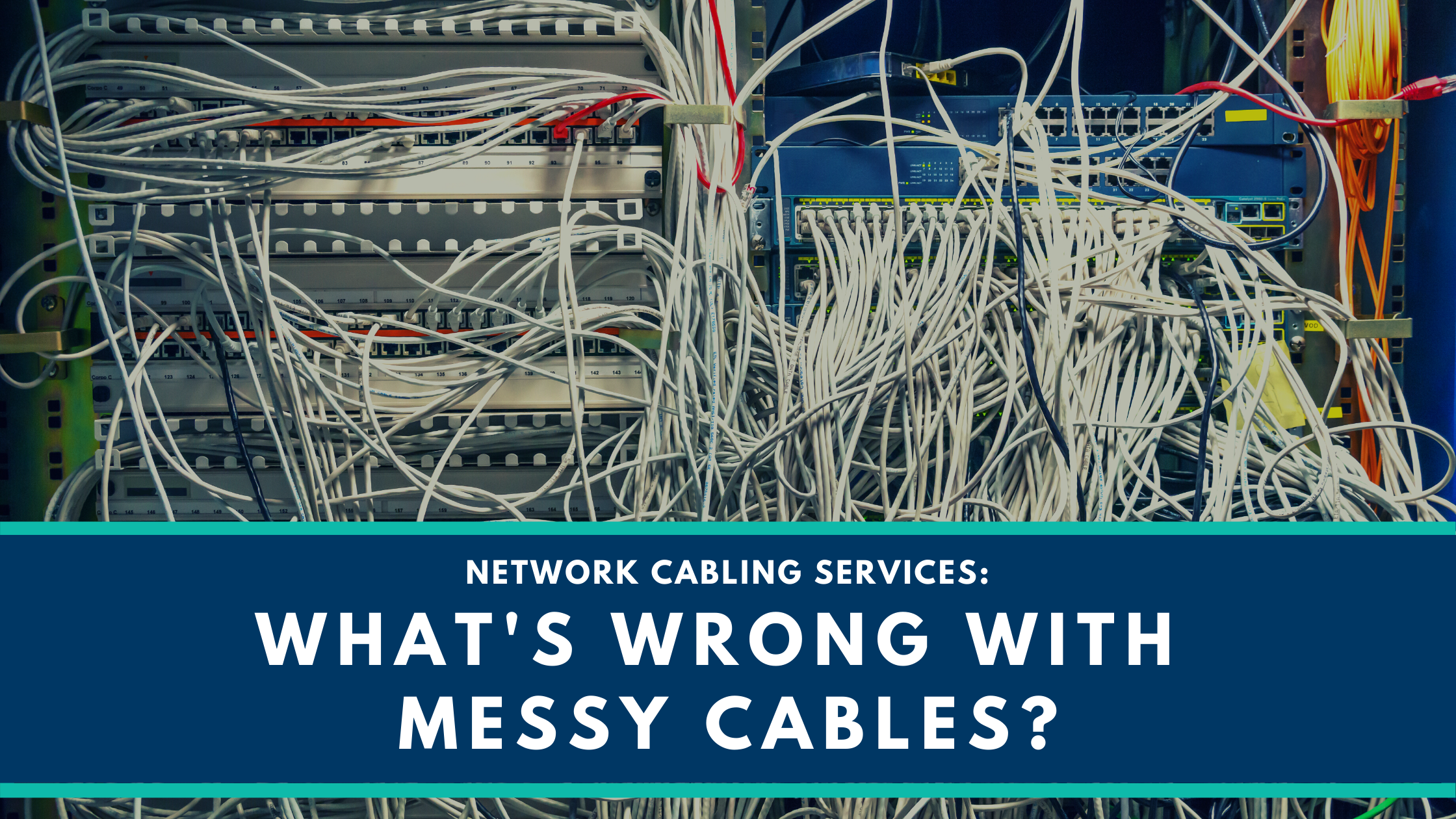
Image Source: SecureTech
Poor low voltage installations extract a steep toll on businesses that often goes unrecognized until problems escalate. These hidden expenses undermine operational efficiency and drain financial resources through various channels.
Frequent network outages and downtime
Network failures directly impact your bottom line. According to industry research, a single hour of downtime costs over USD 300,000 for 91% of organizations, with 44% reporting expenses exceeding USD 1 million. Furthermore, businesses experiencing production line stoppages have reported losses of at least €1 million per incident, with major disruptions reaching €50-100 million.
Beyond immediate financial losses, outages damage customer trust and reputation. E-commerce platforms report customer abandonment rates as high as 30% following significant service interruptions, creating lasting negative impacts that persist long after connectivity returns.
Reduced internet and data speeds due to poor cabling
Outdated or damaged cables create significant bottlenecks in low voltage electrical systems. Many businesses unwittingly limit themselves to just 20% of their purchased internet capacity by using inadequate cabling. Common issues include:
- Reduced data transfer speeds
- High latency and packet loss
- Limited coverage from wireless access points
Although businesses typically blame routers or service providers for these issues, the actual culprit often lies within walls, ceilings, or server racks where substandard cabling remains hidden.
Increased maintenance and troubleshooting costs
Disorganized low voltage technology systems lead to excessive maintenance expenses. Field surveys indicate 40% of all breakers tested were found faulty, necessitating more frequent interventions. Without standardized wiring, IT teams waste countless hours locating cables, resetting ports, and addressing preventable issues.
Preventive maintenance requires substantial investment in shop facilities, skilled labor, documentation systems, and replacement parts inventory. However, reactive maintenance proves significantly costlier through emergency service premiums and extended downtime.
Security vulnerabilities from misconfigured systems
Poorly managed low voltage technology creates serious security exposures. Misconfigured network edge devices provide entry points for sophisticated attackers who can compromise credentials and establish persistent access. According to cybersecurity experts, attackers increasingly target “low-hanging fruit” of improperly configured systems rather than exploiting software vulnerabilities.
The consequences extend beyond data theft. In documented cases, attackers have disconnected 225,000 consumers from power grids by accessing control systems, demonstrating how security lapses in low voltage infrastructure can affect critical operations.
Operational Risks That Go Unnoticed
Image Source: TBM Council
Beyond financial costs, outdated low voltage systems create significant operational vulnerabilities that silently undermine business functionality.
Incompatibility with modern devices and systems
Outdated low voltage electrical systems often struggle to meet the demands of contemporary technology. Modern devices require robust electrical infrastructure that aging systems simply cannot provide. Consequently, businesses experience frequent power surges, circuit overloads, and malfunctioning equipment. The incompatibility issues become particularly evident as semiconductor manufacturers continue designing components with lower breakdown voltages, increasing opportunities for component overstress. Furthermore, integrating innovative technology with existing low voltage cabling systems presents coordination challenges, often requiring complete system overhauls.
Delayed response in emergency systems (alarms, access control)
Fire alarm and suppression systems depend not only on electricity but also on reliable backup power supplies. When low voltage technology fails, security cameras, access control systems, and alarms may shut down, flicker, or operate inconsistently. This creates dangerous gaps in emergency response capabilities. Similarly, healthcare facilities face critical risks when emergency power systems fail to activate promptly during outages, potentially compromising essential life-support systems.
Loss of productivity from AV and conferencing failures
Audio-visual failures extract a surprisingly heavy toll on workplace efficiency. Studies show that 72% of staff report facing technical difficulties resulting in lost meeting time. Indeed, bad audio quality directly correlates to decreased perception of trustworthiness and intelligence of speakers. Ultimately, these seemingly minor AV issues cost businesses approximately USD 37 billion annually in wasted salary expenses. Additionally, persistent glitches create measurable physical stress responses in employees, contributing to decreased motivation and potential burnout.
Read other Articles – What Is Hypackle? A Simple Guide
How to Avoid These Costs in 2025

Image Source: The Network Installers
To prevent costly mistakes with your technical infrastructure, implementing strategic approaches now will safeguard your business in 2025 and beyond.
Partnering with certified low voltage technology solutions providers
Selecting qualified specialists is crucial for proper installation and maintenance. Look for contractors with industry-recognized credentials including BICSI, RCDD, IBEW, and NECA certifications. Experienced teams should be certified on major platforms such as CommScope, Corning, Panduit, and Leviton. These certifications ensure adherence to industry best practices prescribed by organizations like TIA and NFPA.
Planning structured cabling during renovations or build-outs
Proper planning begins with thorough site surveys examining existing cable conditions, IDF/MDF locations, and physical constraints. Subsequently, develop a cabling design that supports 3-7 years of growth, including 20-30% extra data drops and scalable security system design. First thing to remember is that implementing low voltage systems during initial construction phases is significantly more cost-effective than retrofitting.
Using Cat6a or fiber for future-ready infrastructure
Cat6a cabling offers superior longevity as it supports multiple generations of bandwidth growth and power requirements. Equally important, it provides enhanced thermal dissipation performance for modern Power over Ethernet applications. Additionally, Cat6a is the only cabling category to exhibit sustained market growth since its introduction, making it ideal for future-proofing your network against emerging technologies.
Labeling, documentation, and testing best practices
Comprehensive documentation represents one of the most valuable yet frequently overlooked steps. Create unique labels for both cable ends, rack elevations, patch panel mapping, and as-built drawings. In essence, thorough testing using wire map testers and certification tools validates performance and ensures compliance with industry standards.
Conclusion
As we look ahead, proper low voltage technology management remains undeniably critical for business success. Throughout this article, we’ve seen how inadequate systems silently drain resources through network failures, reduced speeds, and unnecessary maintenance costs. Indeed, a single hour of downtime now costs most organizations over $300,000, while improperly installed cabling can restrict businesses to merely 20% of their purchased internet capacity.
Beyond direct financial impacts, operational vulnerabilities create equally concerning problems. Outdated systems struggle with modern device compatibility, emergency response systems face dangerous delays, and AV failures waste approximately $37 billion annually in lost productivity. These issues affect not only your bottom line but also employee well-being and customer trust.
Smart business owners must take proactive steps to protect their technical infrastructure. Working with certified low voltage specialists rather than relying solely on general IT staff or electricians ensures proper installation according to industry standards. Careful planning during construction or renovation phases saves substantial costs compared to retrofitting later. Additionally, investing in future-ready cabling like Cat6a provides scalability for emerging technologies.
The quality of your business’s technological foundation directly impacts daily operations, security, and communication capabilities. After all, structured cabling serves as the nervous system of modern facilities, connecting everything from security systems to network infrastructure. Though often overlooked, proper documentation and testing validate performance and simplify troubleshooting when issues arise.
Certainly, the investment in quality low voltage systems pays dividends through enhanced reliability, reduced maintenance expenses, and improved operational efficiency. Business owners who understand these critical components position themselves for success in an increasingly connected commercial landscape where robust digital infrastructure has become non-negotiable.
FAQs
Q1. What are the main components of low voltage technology in a business setting? Low voltage technology in businesses typically includes security systems (cameras, alarms), access control (key cards, biometrics), audiovisual systems, networking infrastructure (Wi-Fi, VoIP), and building automation (smart HVAC, lighting controls).
Q2. How can poor low voltage installations impact a company’s bottom line? Poor low voltage installations can lead to frequent network outages, reduced internet speeds, increased maintenance costs, and security vulnerabilities. These issues can result in significant financial losses, with some organizations reporting costs exceeding $1 million per hour of downtime.
Q3. Why is it important to use certified low voltage technology providers? Certified providers ensure proper installation and maintenance according to industry standards. They possess specialized knowledge of regulations, codes, and best practices, which helps prevent equipment failures, security breaches, and costly repairs in the long run.
Q4. What are the benefits of planning structured cabling during renovations or new construction? Planning structured cabling during renovations or new construction is more cost-effective than retrofitting later. It allows for better integration of systems, supports future growth, and helps avoid disruptions to business operations that can occur with post-construction installations.
Q5. How can businesses future-proof their low voltage infrastructure? To future-proof low voltage infrastructure, businesses should use Cat6a cabling or fiber optics, which support higher bandwidths and power requirements. Additionally, they should plan for 3-7 years of growth, include extra data drops, and implement comprehensive labeling and documentation practices for easier maintenance and upgrades.
Interested in similar content or opportunities. Contact Us