
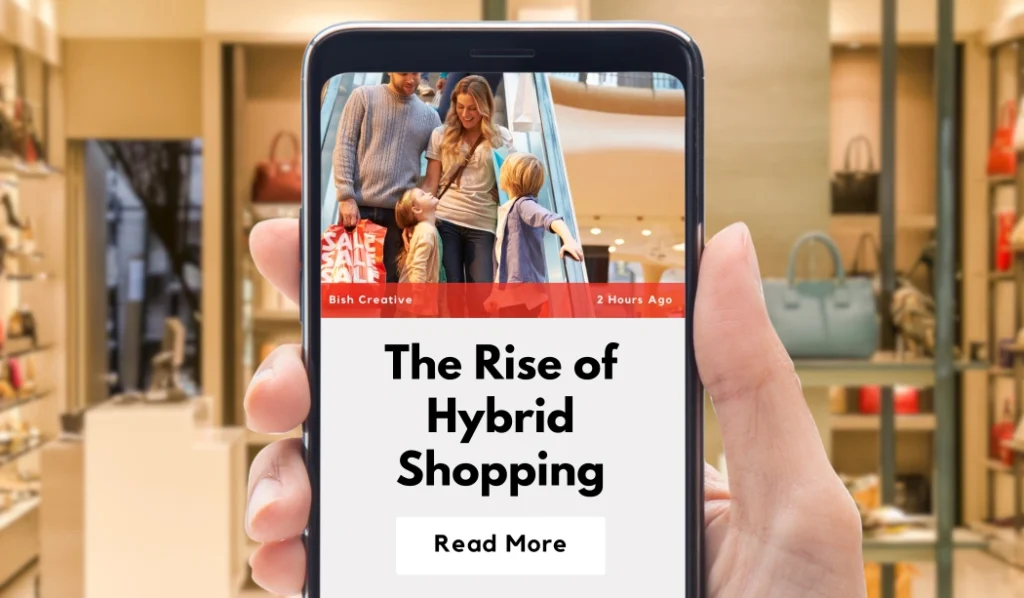

Consumer behavior trends continue to evolve dramatically in ways few could have predicted. Despite retail and dining visits exceeding pre-pandemic levels in the first half of 2025, global consumer sentiment remains poorer on average than it was at the beginning of 2020. This contradiction perfectly illustrates the complexity brands face today.
What’s particularly noteworthy about current consumer spending trends is the clear bifurcation toward both budget and premium options. We’re witnessing changing consumer behavior trends across all demographics, with 74% of global consumers concerned about everyday price increases. However, this hasn’t stopped 71% of US respondents from making at least one “splurge” purchase to treat themselves. Furthermore, e-commerce now represents nearly $7.4 trillion in global sales, with over 90% of Chinese and US consumers reporting they shopped at an online-only retailer in the previous month.
In this article, we’ll examine what successful brands understand about these shifting patterns and how they’re adapting their strategies for 2026 and beyond.
The new normal: how consumer behavior has changed since 2020
The COVID-19 pandemic unleashed unprecedented shifts in consumer behavior that have solidified into new patterns over the past six years. These changes reflect a fundamental reshaping of priorities, preferences, and daily routines.
Solo time and digital-first lifestyles
One of the most striking consumer behavior trends is the increasing preference for solitary activities. US consumers now report having three hours more free time weekly than in 2019, with nearly 90% allocated to solo activities. This additional time is primarily spent on independent hobbies, shopping, fitness, and social media, while time with friends and family has remained flat proportionally.
The pandemic compressed a decade’s worth of digital adoption into just 100 days. Online shopping surged nearly 20% since January 2020, with 92% of consumers who tried e-commerce during lockdowns becoming permanent converts. This digital shift wasn’t temporary—it represented a fundamental reorientation toward digital-first lifestyles.
The rise of convenience and instant gratification
Today’s consumers expect immediacy and frictionless experiences. Over 90% of Chinese and US consumers shopped at online-only retailers within the past month, and about 40% of German, UK, and US consumers used grocery delivery services within the previous week.
This “bring-it-to-me” mindset has transformed multiple industries. Food delivery’s share of global food service spending more than doubled from 9% in 2019 to 21% in 2024. Additionally, 77% of US consumers cite convenience as a key factor in purchasing decisions, with many willing to pay up to 5% more for it.
What’s particularly notable is that 41% of global shoppers now expect online orders delivered within 24 hours—a timeline that would have seemed unrealistic just a few years ago.
Hybrid work and its impact on daily routines
The pandemic-driven shift to remote work has permanently changed consumer routines. Studies show that hybrid work arrangements have reduced employee resignations by 33%, with women, non-managers, and employees with long commutes benefiting the most.
This transformation in work patterns has driven increased demand for home improvement, entertainment systems, and wellness products. As consumers spend more time at home, they’re investing more in their living spaces. Even as offices reopen, many companies are maintaining flexible work arrangements, recognizing the productivity gains and employee satisfaction that hybrid models offer.
Read other Articles: Quartzite Formation Types and Real World Uses
Trust, influence, and the digital paradox
The digital landscape presents a fascinating paradox for today’s consumers: we’re increasingly dependent on social technologies we simultaneously distrust. This contradiction shapes spending decisions and brand relationships in profound ways.
Why social media is both powerful and distrusted
Social media continues to influence purchasing decisions, with 80% of consumers basing buying choices on a friend’s social post. Yet only 3% consider salespeople and marketers trustworthy. This trust deficit exists alongside unprecedented platform usage—a true paradox.
Among social platforms, YouTube emerged as most trusted for accurate information (61%), followed by Reddit (47%) and Instagram (32%). Nevertheless, general skepticism remains high, with 62% of Americans believing corruption is widespread in corporate America.
The personalization/privacy paradox illustrates this tension perfectly. Consumers want tailored experiences but grow uncomfortable when excessive personal data is required to create them. As AI-powered answers increasingly separate brands from consumers, the challenge intensifies with 62% of marketers reporting declining traffic from search results.
The growing role of peer recommendations
Peer influence now dominates consumer decision-making. Indeed, 76% of millennial consumers consider content from average people more trustworthy than brand-created content. Similarly, 92% of people trust recommendations from others—even strangers—over branded content.
This shift is especially pronounced among younger consumers, with 37% trusting social media influencers over brands, and Gen Z being twice as likely as Boomers to trust influencers. For B2B purchases, 84% of buyers start with referrals, and peer recommendations influence over 90% of all B2B buying decisions.
How brands can build credibility in fragmented channels
Successful brands recognize that trust building requires transparency about data collection practices. They also understand that authenticity isn’t optional—92% of consumers say it’s important for brands to keep up with online culture.
Essentially, credibility comes from concrete actions rather than marketing claims. Marketers must prioritize platforms where consumer trust is strongest while ensuring content is both authoritative and authentic. User-generated content has become vital, with companies highlighting testimonials, social proof, and real customer experiences to build credibility.
In today’s fragmented media landscape, brands must create clear domain names and identities that immediately signal their category and purpose, cutting through noise in a way legacy approaches often can’t.
Gen Z and the redefinition of value

Image Source: Refuel Agency
Generation Z represents a powerful economic force reshaping market dynamics through their unique approach to spending and saving. Born between 1996 and 2010, this cohort will soon eclipse baby boomers’ global spending power by 2029.
Spending habits and financial anxiety
Financial worry has become a defining characteristic for Gen Z. An alarming 52% report being very or extremely worried about not having enough money, with less than one-third feeling financially secure. This anxiety manifests through multiple jobs—39% earn money from both traditional employment and side hustles.
Financial pessimism drives “doom spending” despite economic concerns. This generation remains more likely than older cohorts to splurge even though they’re typically less wealthy. Moreover, their financial anxiety extends beyond immediate concerns, with many abandoning traditional milestones like homeownership—only 6% currently plan to buy property.
What Gen Z considers worth splurging on
Although cautious with money overall, Gen Z willingly opens their wallets for meaningful purchases. When they do splurge, they gravitate toward dining out, apparel, beauty products, jewelry, and experiences like travel. In fact, 33% are prepared to pay 5-10% more for sustainable products, demonstrating their values-driven approach.
This generation uses brands to express identity and build community—84% report needing to share values with brands they patronize. Notably, 46% judge others based on brand choices, illustrating how purchasing decisions function as social signifiers.
Buy-now-pay-later and the rise of flexible spending
Buy-now-pay-later services have revolutionized Gen Z spending habits. According to recent surveys, 54% of Gen Z used BNPL during the 2024 holiday period compared to 50% who used credit cards. BNPL adoption continues growing, with Gen Z representing 30.2% of all US users.
Yet this flexible spending carries risks. Among Gen Z BNPL users, 32% reported missing payments, highlighting potential financial vulnerability. This payment method appeals partly because 51% of Gen Z express discomfort with traditional credit options. For a generation facing economic uncertainty, BNPL offers perceived control through transparent payment schedules—even if that perception sometimes proves illusory.
Read other Articles: Why Hyperspeed Loans Could Be Your Best (or Worst) Money Move
What successful brands are doing differently in 2026
Leading brands in 2026 are thriving by adapting their strategies to meet evolving consumer behavior trends with precision and innovation. Their success stems from leveraging advanced technologies alongside human expertise to create exceptional customer experiences.
Using AI to personalize at scale
Top brands now utilize AI not as a buzzword but as a fundamental transformation tool for marketing operations. Personalization has expanded beyond single channels, with AI creating consistent experiences across media, websites, apps, offers, and communications. This evolution responds to clear consumer demands—76% of shoppers report frustration when brands fail to deliver personalized experiences.
Forward-thinking companies employ first-party data for personalization that connects online engagement with retail behavior and brand interactions. Rather than replacing marketers, AI functions as a force multiplier, enabling small teams to achieve significantly more with existing resources.
Balancing affordability with premium experiences
Successful brands recognize that consumers blend premium and budget choices—much as they mix organic foods with processed favorites. This insight drives the creation of balanced product portfolios that offer tiered options. For instance, Starbucks evolved from a simple coffee chain into a premium experience provider through ambiance improvements, free Wi-Fi, innovative beverages, and loyalty programs.
Price pack architecture (PPA) provides consumers clear structures for choosing products while balancing value and profitability. Meanwhile, luxury brands focus on exceptional experiences at every touchpoint from browsing to delivery, whereas affordable brands prioritize speed and cost-efficiency without compromising reliability.
Localizing offerings to meet regional preferences
Beyond mere translation, localization in 2026 encompasses cultural and functional adaptation. With 76% of consumers preferring product information in their native language, brands that ignore localization miss crucial connections.
Netflix exemplifies successful localization by producing region-specific content like Lupin (France), La Casa de papel (Spain), and Squid Game (South Korea). Correspondingly, LEGO established itself in challenging Asian markets by positioning its products as educational tools through university partnerships and cultural adaptations.
Investing in omnichannel and social commerce
As consumer pathways to purchase multiply, omnichannel strategies have become essential. Campaigns utilizing three or more channels achieve 287% higher purchase rates than single-channel approaches. The integration of shopping into social platforms creates significant opportunities—63% of US consumers now shop via social media.
Most importantly, social commerce continues expanding rapidly, with global revenue projected to reach $6.20 trillion by 2030. The 72% of consumers willing to buy directly through social platforms represent an enormous potential market. For Gen Z especially, social media has become the new search engine for brand information and shopping inspiration.
Conclusion
Understanding consumer behavior remains essential for brands aiming to thrive in 2026 and beyond. Throughout this exploration, we’ve seen how the pandemic permanently altered shopping habits, creating digital-first consumers who expect convenience without sacrificing personalization. Additionally, the trust paradox continues to shape brand relationships, with consumers simultaneously depending on yet distrusting digital platforms.
Gen Z stands out as a particularly influential demographic, redefining value through their willingness to splurge on meaningful purchases despite financial anxiety. Their preference for BNPL services signals a fundamental shift in payment expectations that brands must address.
Successful companies have undoubtedly adapted to these changes by implementing AI-powered personalization at scale while maintaining human connections. They offer tiered pricing options that acknowledge consumer desire for both premium experiences and affordability. These brands also recognize the importance of localization and have built robust omnichannel strategies that meet customers wherever they shop.
The bifurcation of consumer spending toward both budget and premium options will likely continue, therefore brands must remain flexible in their offerings. Social commerce presents enormous opportunities, especially when paired with authentic messaging that resonates across fragmented channels.
Though predicting exact consumer behavior trends remains challenging, brands that stay attuned to shifting preferences will find themselves better positioned than competitors who cling to outdated assumptions. After all, the most successful companies don’t just respond to consumer behavior—they anticipate it through constant observation and adaptation.
FAQs
Q1. How has consumer behavior changed since 2020? Consumer behavior has shifted towards digital-first lifestyles, with increased preference for solo activities and convenience. Online shopping has surged, and consumers now expect faster delivery times and frictionless experiences across all channels.
Q2. What role does trust play in consumer decision-making? Trust is crucial in consumer decisions, with peer recommendations and user-generated content holding more weight than brand-created content. Consumers are increasingly skeptical of traditional marketing but rely heavily on social media influencers and online reviews for purchase decisions.
Q3. How are Gen Z’s spending habits different from other generations? Gen Z shows a unique blend of financial anxiety and willingness to splurge on meaningful purchases. They prioritize brands that align with their values, are more likely to use buy-now-pay-later services, and judge others based on brand choices.
Q4. What strategies are successful brands using to adapt to changing consumer behavior? Successful brands are leveraging AI for personalization at scale, balancing affordability with premium experiences, localizing offerings to meet regional preferences, and investing in omnichannel and social commerce strategies to meet consumers where they shop.
Q5. How important is social commerce for brands in 2026? Social commerce has become crucial, with global revenue projected to reach $6.20 trillion by 2030. A majority of consumers, especially Gen Z, are willing to buy directly through social platforms, making it an essential channel for brands to engage with and sell to their target audience.
Disclaimer
This article contains predictions based on current trends and data. Actual consumer behavior may vary based on economic conditions, technological developments, and unforeseen global events. Brands should conduct their own research before implementing strategies mentioned herein.