
The Mexico milk scandal of 1986 stands as one of the most shocking public health disasters in modern history. Following the Chernobyl nuclear disaster, the Mexican government purchased 7,000 tons of powdered milk from Ireland for approximately $40 million, despite the milk being contaminated with dangerous levels of radiation. Shockingly, 41 tons of this imported milk exceeded internationally recognized toxic limits.
This catastrophic decision by CONASUPO Mexico, the state-run National Company of People’s Subsistence, had devastating consequences. The agency knowingly imported thousands of tons of radioactive powdered milk from Ireland, tainted by fallout from the Chernobyl disaster. Although some of the product was eventually recalled after batch testing, CONASUPO could only account for 1,497 tons of the 2,436 tons of milk powder contaminated with Cesium-137. The whereabouts of the remaining contaminated milk remains unknown to this day.
Even more disturbing, between 1988 and 1997, there was a significant increase in the number of children diagnosed with cancer in the affected regions. This troubling chapter in Mexican history reveals a web of negligence, where countless citizens were exposed to unnecessary radiation risks. As we reflect on the scandal, it serves as a stark reminder of the potential consequences of inadequate oversight and decision-making in public health.
Mexico imports radioactive milk from Ireland
In the aftermath of the Chernobyl nuclear disaster, a dangerous trade arrangement unfolded that would expose countless Mexicans to radiation risk. The catastrophe began with an environmental crisis and ended with questionable international commerce that prioritized profit over public health.
Chernobyl fallout contaminates European dairy
On April 26, 1986, the Chernobyl Nuclear Power Plant suffered a catastrophic explosion that released massive amounts of radioactive material into the atmosphere. Between April 28 and May 3, a radioactive cloud spread across Europe, significantly affecting Ireland’s farmland and livestock. This environmental contamination had immediate consequences for dairy production across the continent.
The fallout from Chernobyl contained dangerous radionuclides that were absorbed by plants and subsequently consumed by dairy cattle. Testing revealed that powdered milk from Northern Ireland contained unusually high levels of radioactive isotopes of cesium-134 and cesium-137. These radioactive elements, once ingested, can accumulate in the human body, potentially causing serious health problems including cancer, cataracts, and digestive ailments.
Environmental impacts varied by location, but forests and freshwater bodies were among the most severely affected ecosystems. Furthermore, the agricultural impact was profound, as radionuclides were taken up by plants and later transferred to animals, resulting in contamination of milk, meat, and other food products.
Ireland seeks to offload tainted milk to third-world nations
After discovering the contamination, the Irish Dairy Board (IDB) faced a serious dilemma. Rather than destroy the hazardous product, they deliberately attempted to sell the contaminated milk to countries with less stringent safety standards. Initially, they approached Brazil with the tainted dairy products.
Notably, the Brazilian government, recognizing the health hazards, promptly rejected the contaminated shipment. Undeterred by this rejection, the Irish authorities continued seeking alternative markets for their radioactive products. According to reports, after Brazil’s refusal, Ireland openly announced its intention to continue trying to sell the milk product specifically to Third World countries.
This calculated strategy revealed a troubling disregard for human health in developing nations. The Irish Food Minister, Joe Walsh, publicly downplayed the risks, stating that while the product contained radiation, it was allegedly under permitted levels and not risky enough to avoid consumption. This claim would later be contradicted by scientific testing.
Mexico agrees to purchase 40,000 tons despite warnings
In July 1986, Antonio González Quintanilla, then Mexican ambassador to Brazil, issued an urgent warning to Mexico’s Ministry of Foreign Affairs (SRE) about Ireland’s intentions to trade radioactive milk. He specifically cautioned that after failing to sell to South American countries, Ireland would likely approach Mexico next.
Accordingly, Alfonso de Rozental, undersecretary of the SRE, informed the Secretary of Health about these concerns, explicitly stating that importing such products would endanger Mexican citizens. The World Health Organization (WHO) had already issued warnings against purchasing or selling products contaminated by radiation.
Nevertheless, the Mexican government, through the Compañía Nacional de Subsistencias Populares (CONASUPO), disregarded these warnings and finalized a deal with the Irish Dairy Board. The first shipment arrived at the Port of Veracruz in June 1986, with a total of 28,000 metric tons received during the remainder of that year. Subsequently, Mexico purchased over 40,000 metric tons between 1987 and 1988.
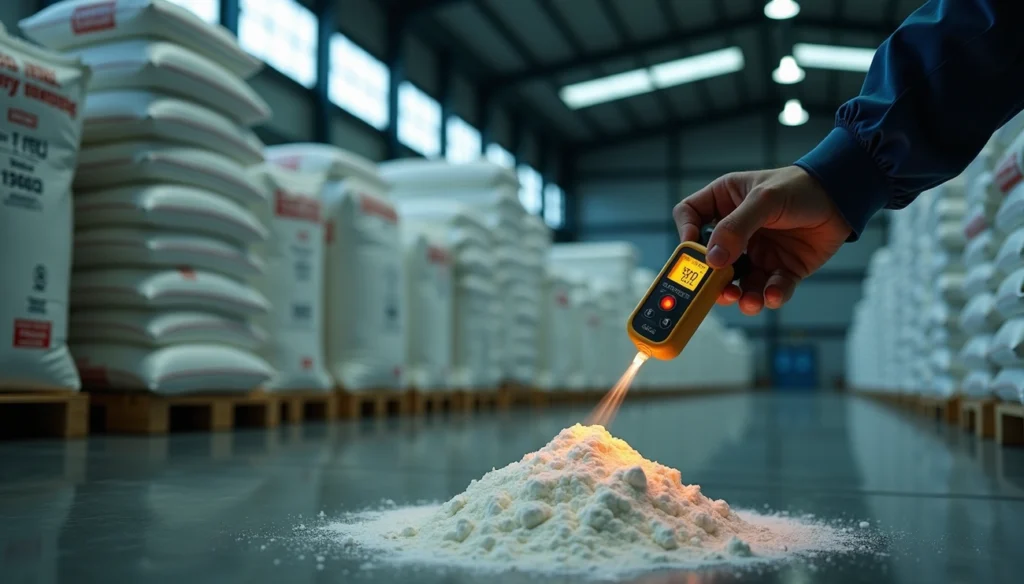
The imported milk contained radiation levels as high as 2,730 becquerels per kilogram, while international safety standards set a maximum of only 150 becquerels per kilogram. This meant the milk was over 18 times more radioactive than safety limits permitted. In a shocking distribution strategy, CONASUPO spread the contaminated milk across different regions of Mexico to prevent a concentration of potential health consequences in any single area.
Official records from the Irish government acknowledged these exports, noting that “Bord Bainne” (the Irish Dairy Board) was a major exporter of skimmed milk powder to Mexico, with exports averaging 34,000 tons annually in the two years prior to 1988. They also admitted to “difficulties” with 5,000 tons from a consignment of 40,000 tons supplied in 1987, attributing the problem to Mexico’s supposedly stricter radiation standards.
Officials ignore radiation warnings and approve distribution

Image Source: The Independent
Corruption and negligence plagued the Mexican government’s response to radioactive milk imports, as multiple warnings from officials were deliberately ignored. The dismissal of critical safety concerns revealed a troubling pattern of official misconduct that would ultimately endanger millions of lives.
Mexican diplomats raise early alarms
In July 1986, Antonio González Quintanilla, Mexico’s ambassador to Brazil, sent an urgent warning to the Ministry of Foreign Affairs (SRE) about Ireland’s intentions to sell radioactive milk. His diplomatic cable specifically cautioned that after failing to sell contaminated dairy to South American nations, Ireland would likely target Mexico next. This early warning proved prophetic.
Acting on this information, Alfonso de Rozental, undersecretary of the SRE, formally alerted the Secretary of Health about the serious health risks these contaminated products posed to Mexican citizens. These diplomatic warnings represented the first line of defense against what would become a major public health crisis.
CONASUPO finalizes deal despite health risks
Notwithstanding these explicit warnings, the Compañía Nacional de Subsistencias Populares (CONASUPO) moved forward with the purchase. The World Health Organization had already issued clear alerts against buying products contaminated by Chernobyl radiation. Yet, on December 26, 1986, the Mexican Health Ministry shockingly authorized the sale of milk despite knowing WHO had detected high levels of radiation in the product.
The first shipment arrived at Veracruz port on June 13, 1987. Internal testing later revealed the milk contained dangerous levels of cesium-137 and strontium-90, radioactive isotopes known to destroy cell membranes. Indeed, the contamination levels reached as high as 2,730 becquerels per kilogram—over 18 times higher than the international safety standard of 150 becquerels.
Ironically, in March 1987, CONASUPO itself requested the National Commission for Nuclear Safety and Safeguards to analyze random milk samples. These tests confirmed high levels of radioactive material in several products, including infant formula, yet officials kept these findings confidential.
Vice admiral and physicist attempt to intervene
As the contaminated milk made its way into distribution channels, Vice Admiral Manuel Rodríguez Gordillo became suspicious. Upon examining the food shipments, he noticed labels indicating Irish origin. Concerned about potential health hazards, Rodríguez Gordillo enlisted physicist Miguel Ángel Valdovinos, who headed the CFE nuclear power plant, to test the products.
Their analysis confirmed the worst: the milk from Ireland exceeded permitted radiation limits by tenfold. Valdovinos and Rodríguez immediately attempted to alert government authorities about this serious public health threat. Unfortunately, instead of addressing these legitimate concerns, government officials responded with swift retaliation.
Both men were summarily dismissed from their positions. Moreover, Rodríguez faced court-martial on serious charges including treason, distributing radioactive material, and defamation. Valdovinos similarly faced persecution. Their attempts to protect public health resulted in professional ruin and personal hardship as the government aggressively silenced these whistleblowers.
By January 1988, public pressure forced authorities to acknowledge some problems. Officials announced plans to destroy 41 tons of the imported powdered milk that exceeded toxic limits. Additionally, they promised to return 3,000 tons to Northern Ireland. However, these belated actions addressed only a fraction of the contaminated product already distributed throughout Mexico.
The scandal left Mexican citizens feeling betrayed. Environmental groups reported “a certain amount of panic among the Mexican people” upon learning that contaminated milk had been knowingly distributed. CONASUPO ultimately recalled only 1,497 tons of the 2,436 tons of contaminated milk powder, leaving nearly 1,000 tons unaccounted for.
Conclusion
The Mexico milk scandal stands as a sobering reminder of how governmental negligence can endanger countless innocent lives. Throughout this catastrophic event, we witnessed a disturbing chain of decisions that prioritized economic interests over public safety. Undoubtedly, the deliberate purchase of 7,000 tons of radiation-contaminated milk following the Chernobyl disaster represents one of the most shocking public health failures in Mexican history.
After all, the evidence paints a damning picture. Despite clear warnings from diplomats and health organizations, CONASUPO officials proceeded with a $40 million deal for milk containing radiation levels up to 18 times higher than international safety standards. The calculated strategy to distribute this hazardous product across different regions merely spread the risk rather than mitigating it.
Perhaps most disturbing, officials actively silenced those who tried to protect the public. Vice Admiral Manuel Rodríguez Gordillo and physicist Miguel Ángel Valdovinos faced severe retaliation—dismissal from positions, court-martial, and personal persecution—simply for attempting to expose the truth.
Meanwhile, approximately 939 tons of contaminated milk remain unaccounted for to this day. This troubling fact raises serious questions about how much radiation entered the food supply undetected. Consequently, between 1988 and 1997, cancer rates among children rose significantly in affected regions—a heartbreaking legacy of this scandal.
Beyond the immediate tragedy, this incident exposes the dangerous intersection of corruption, international commerce, and public health. The Irish authorities deliberately targeted developing nations with their tainted products after being rejected by countries with stricter standards. At the same time, Mexican officials ignored repeated warnings about potential dangers.
The Mexico milk scandal therefore serves as a powerful warning about government accountability and transparency. When officials place profit and political expediency above human welfare, ordinary citizens pay the ultimate price. As we reflect on this dark chapter in Mexican history, we must demand better safeguards to ensure such a betrayal of public trust never happens again.
FAQs
Q1. What was the Mexico milk scandal? The Mexico milk scandal occurred between 1986-1988 when the Mexican government purchased and distributed thousands of tons of radiation-contaminated powdered milk from Ireland, despite warnings about its hazards. This milk was contaminated due to the Chernobyl nuclear disaster.
Q2. How much radiation did the contaminated milk contain? The imported milk contained radiation levels as high as 2,730 becquerels per kilogram, which was over 18 times higher than the international safety standard of 150 becquerels per kilogram.
Q3. What were the health consequences of the contaminated milk distribution? While the full extent is unclear, there was a reported increase in childhood cancer rates in affected regions between 1988 and 1997. The contaminated milk posed risks of various health problems, including cancer, cataracts, and digestive ailments.
Q4. How did officials respond to warnings about the contaminated milk? Despite warnings from diplomats, health organizations, and even their own testing, Mexican officials proceeded with purchasing and distributing the contaminated milk. Those who tried to expose the truth, like Vice Admiral Rodríguez Gordillo and physicist Miguel Ángel Valdovinos, faced severe retaliation.
Q5. Was all the contaminated milk accounted for? No, a significant amount of the contaminated milk remains unaccounted for. Of the 2,436 tons of contaminated milk powder, CONASUPO only recalled 1,497 tons, leaving nearly 1,000 tons unaccounted for to this day.
Read other Articles – What People Mean When They Say Coppa
Interested in similar content or opportunities. Contact Us