
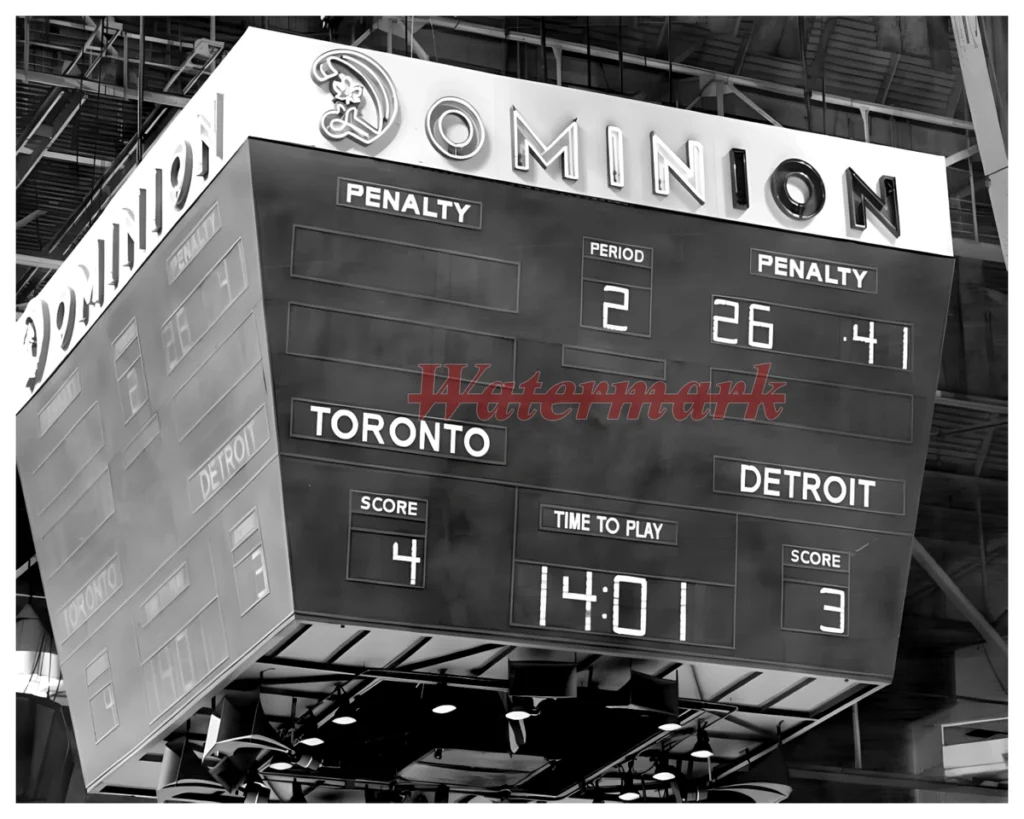

What is a Period in Hockey?
A period in hockey is a standardized segment of gameplay lasting 20 minutes of official playing time. Hockey games are divided into three equal periods, totaling 60 minutes of regulation play. This three-period structure distinguishes hockey from many other sports that use quarters or halves.
The game clock runs only during active play and stops when the referee blows the whistle. Stoppages happen for various reasons, such as penalties, goals, icing calls, or when the puck leaves the playing area. As a result, each 20-minute period usually takes about 35-40 minutes of real time.
Between periods, players have intermissions of 15-20 minutes, with the NHL typically setting these breaks to 17-18 minutes. These breaks are essential for ice resurfacing, player recovery, and providing coaches with time to make adjustments.
The three-period format has historical roots in hockey. Before 1910, games were played in two 30-minute halves. This caused issues with ice quality, as snow and ice would accumulate, leading to injuries and delays. Hockey legends Frank and Lester Patrick are credited with introducing the three-period structure, which allowed for more frequent ice cleanings.
This structure has remained unchanged for more than a century. While professional leagues like the NHL, AHL, and ECHL use standard 20-minute periods, recreational and youth leagues often use adjusted timeframes based on age groups.
- Youth leagues (5-6 years): Approximately 30 minutes of running time
- Youth leagues (9-10 years): Three 12-minute periods
- Youth leagues (11-12 years): Three 15-minute periods
- Youth leagues (13-18 years): Full three 20-minute periods similar to professional formats
The period structure creates a balanced rhythm for the game, maintains consistent ice conditions, and establishes hockey’s distinctive tempo compared to other team sports.
Read other Articles – 23 Healthy Snacks for Weight Loss That Actually Keep You Full in 2026
How Many Periods Are in a Hockey Game?

Image Source: Colorado Time Systems
Hockey games consist of three periods of play. Each period lasts for 20 minutes of official game clock time, creating a total regulation playing time of 60 minutes. Unlike many other team sports that use quarters or halves, hockey has maintained this distinctive three-period structure since its creation.
The game clock only runs when the puck is in play. Whenever a referee blows the whistle, the clock stops for penalties, goals, icing calls, and when the puck goes out of bounds. As a result, although the official playing time is 60 minutes, a complete game typically extends to approximately 2.5 to 3 hours in real time.
Between each period, teams receive an intermission break. These intermissions generally last 15-18 minutes, although NHL standards typically set them at 17 minutes. Throughout professional hockey leagues such as the NHL, AHL, and ECHL, this three-period format remains consistent.
After each period concludes, teams change ends of the ice. This practice ensures fairness by eliminating any potential advantages from ice conditions, lighting, or arena-specific factors that might benefit one direction of play.
For recreational leagues and youth hockey, the standard may vary with shorter periods based on age group and league rules. Nevertheless, the three-period structure remains the fundamental framework across all levels of the sport.
This time-tested format provides the perfect balance of sustained action and strategic opportunities that have defined hockey for generations.
What Happens Between Periods?

Image Source: Driving.ca
What Happens Between Periods?
Intermission length and purpose
Between hockey periods, intermissions typically last 15-18 minutes, with NHL games standardizing these breaks at approximately 17-18 minutes. These structured pauses serve multiple essential functions beyond simply marking the transition between periods. Intermissions provide a critical opportunity for players to physically recover from the intense gameplay while simultaneously allowing for ice maintenance and tactical adjustments.
Ice resurfacing and player rest
The primary activity during intermissions is ice resurfacing. Professional hockey teams routinely employ two machines to efficiently clean the playing surface. With dual resurfacers, the process takes approximately three minutes to complete the floor, with each machine making four full passes. The resurfacing process involves shaving the top layer of ice, washing the remaining surface, and applying a fresh layer of hot water (typically 140° Fahrenheit) that freezes to create a smooth skating surface. Simultaneously, players utilize this time to rest, rehydrate, and address equipment needs. This recovery period is crucial for maintaining optimal performance throughout all three periods of play.
Coach strategy adjustments
Coaches leverage intermissions for comprehensive tactical analysis. Rather than immediately addressing the team, most coaches first review video footage of the previous period to identify patterns and areas for improvement. Approximately 10 minutes into the intermission, coaches typically gather players to discuss strategic adjustments. These sessions are remarkably efficient—some NHL coaches average merely 30 seconds of direct team instruction. This focused approach allows coaches to prioritize critical adjustments without overwhelming players with excessive information before they return to the ice.
Read other Articles – Natural Relief: Science-Backed Teas for Anxiety That Actually Work
What Happens If the Game Is Tied After 3 Periods?
Regular season overtime rules
Following regulation time, tied NHL regular season games proceed to a five-minute overtime period. Unlike standard gameplay, teams switch to a 3-on-3 format instead of the usual 5-on-5 configuration. This creates more open ice, generating additional scoring chances. The overtime utilizes a sudden-death format, meaning the first team to score instantly wins. Both teams earn one point in the standings regardless of the overtime outcome, with the winning team receiving an additional point. Additionally, if a penalty occurs during overtime, the opposing team gains an extra skater, creating a 4-on-3 advantage.
Playoff overtime rules
Playoff overtime differs significantly from regular season rules. Postseason overtime consists of full 20-minute periods at standard 5-on-5 strength. The sudden-death format continues until someone scores, regardless of how many extra periods are required. Teams change sides for each overtime period, and the first overtime features the long change back to the bench. Notably, all playoff overtime goals undergo review by the NHL Situation Room to confirm they were legally scored. Essentially, playoff overtime maintains regular gameplay conditions until a decisive goal occurs.
Shootout format and rules
If regular season overtime concludes without a goal, the game proceeds to a shootout. Each coach selects three players to attempt penalty shots against the opposing goaltender. Teams alternate attempts, typically with the visiting team shooting first. The team scoring more goals after three rounds wins. If still tied, the shootout continues with a sudden-death format where each team takes one shot per round until one team scores while the other doesn’t. Furthermore, any player serving a penalty when overtime ends becomes ineligible for the shootout. The longest NHL shootout on record extended to an extraordinary 20 rounds.
Disclaimer: Overtime and shootout rules may vary slightly between different leagues and competition levels. Always check specific league regulations for complete details.
Conclusion
Hockey features a structured timeframe with three 20-minute periods of official play. The sport’s distinctive three-period format creates an organized rhythm different from many team sports that utilize quarters or halves.
A complete NHL game typically requires 2.5 hours from puck drop to conclusion. This duration accounts for the 60 minutes of regulation play plus 17-minute intermissions between periods. These breaks serve multiple functions beyond simply marking transitions—they facilitate ice resurfacing, player recovery, and strategic adjustments.
For games tied after regulation:
- NHL regular season: 5-minute 3-on-3 overtime followed by a shootout if necessary
- NHL playoffs: Continuous 20-minute 5-on-5 overtime periods until a winner emerges
- International competitions: Various formats including 4-on-4 or 3-on-3 overtime
The longest NHL game in modern history occurred in 2020 when Tampa Bay and Columbus played through five overtime periods. Throughout hockey’s history, extraordinary games have extended to six overtimes, totaling 176 minutes of gameplay.
FAQs
Q1. How many periods are there in a standard hockey game? A standard hockey game consists of three 20-minute periods, totaling 60 minutes of regulation play.
Q2. Why does hockey have three periods instead of quarters or halves? Hockey uses three periods to allow for ice resurfacing between periods, which maintains optimal playing conditions and player safety. This format also provides necessary rest for players and strategic adjustment time for coaches.
Q3. What happens during the intermissions between periods? During intermissions, which typically last 15-18 minutes, the ice is resurfaced using machines called Zambonis. Players use this time to rest and rehydrate, while coaches review game footage and discuss strategy adjustments with their team.
Q4. How long does a complete hockey game usually last? Although the official playing time is 60 minutes, a complete hockey game typically lasts about 2.5 to 3 hours in real time, accounting for intermissions, stoppages in play, and potential overtime.
Q5. What happens if a game is tied after three periods? In the NHL regular season, a 5-minute 3-on-3 overtime period is played, followed by a shootout if necessary. In playoffs, teams play full 20-minute overtime periods at 5-on-5 until a goal is scored. Other leagues and tournaments may have different overtime formats.
Disclaimer
Period structure and overtime rules may vary between different hockey leagues, tournaments, and age groups. This information primarily reflects professional hockey standards, particularly NHL regulations.
Interested in similar content or opportunities. Contact Us